

Chicago Immigration Attorney

Мы говорим по русски
USCIS Application Pauses for Certain Countries: What Applicants Should Know Right Now
Over the past few weeks, I’ve had the same conversation with multiple clients.
They filed on time.
They followed the rules.
Their cases were moving — and then suddenly, they weren’t.
No notice. No explanation. Just silence.
What many of these clients are running into is not a problem with their individual application. It’s a broader USCIS case pause tied to country-based scrutiny that the government has not clearly explained to the public.
And that lack of clarity is the real issue.
This Is Not a Travel Ban – But It’s Still Disruptive
I want to be precise, because accuracy matters here. This is not a traditional travel ban issued through a presidential proclamation. No announcement, no sweeping public rule.
Instead, this is an internal adjudication directive that affects how USCIS officers are handling certain pending cases.
From a legal standpoint, that distinction matters. From a human standpoint, the experience can feel very similar. Cases stop moving. Processing times stop meaning anything. People are left waiting with no real sense of what comes next.
Applications are not being denied automatically. They are being delayed, held, or subjected to additional scrutiny without a clear timeline. In practice, that means immigration application delays that are open-ended and difficult to plan around.
Which Cases Are Getting Caught in This
Based on what I’m seeing and what colleagues across the country are reporting, this pause can affect a wide range of filings, including:
• Adjustment of status applications
• Employment-based immigrant petitions
• Family-based green card cases
• Certain humanitarian filings
In some matters, cases that looked ready for approval have stalled with no explanation, resulting in a green card application delay that no one anticipated. In others, USCIS is issuing Requests for Evidence that feel different — more probing, more focused on identity history and perceived risk than what we saw even a year ago.
None of these topics are new. What has changed is how heavily they are being weighed — and the absence of clear guidance explaining why.
What I’m Actually Seeing in Practice
At Sverdloff Law Group, P.C., we’ve seen a clear shift in how cases are being handled.
Files that once moved in a fairly predictable way are now sitting untouched. Applications that appeared complete are being flagged for additional review. In some cases, USCIS is asking questions that go beyond standard eligibility and into territory that requires careful, strategic responses.
These are not random requests. They reflect a broader change in posture.
This is especially important in cases involving an adjustment of status delay, where prolonged processing can quietly create problems if no one is paying close attention.
Why This Is So Unsettling for Applicants
There are a few reasons this policy shift is particularly destabilizing.
First, there is no timeline. USCIS has not said when normal processing resumes or what needs to happen before it does.
Second, the standards are vague. Labels like “high-risk” are not paired with transparent criteria, which increases unpredictability and inconsistent outcomes.
Third — and this is what worries many people — there are early signs that prior filings, and possibly even approvals, may receive renewed scrutiny. For applicants who believed their cases were behind them, that uncertainty is hard to ignore.
This Is Not a DIY Moment
I’ll say this plainly: this is not the time for template responses, online advice, or guesswork.
When policies shift without clear written standards, outcomes often depend on how a case is framed, documented, and defended in real time. Silence from USCIS does not mean nothing is happening. Deadlines still exist. Status issues still matter. Employment authorization and travel permissions still need to be managed carefully.
In this kind of environment, immigration attorney guidance isn’t a luxury — it’s risk management.
Anyone claiming they have a one-size-fits-all strategy right now is overstating what is actually known.
Practical Reality Right Now
Every case is different, but there are some principles that matter more than ever:
• Preserve lawful status wherever possible
• Respond to RFEs strategically, not emotionally
• Avoid international travel without legal review
• Expect longer processing times than before
• Reevaluate your overall strategy if delays increase risk
In some situations, waiting passively is the most dangerous option.
When to Get Legal Advice — Not Later, Now
If your case has stalled without explanation, if you’ve received an unusual RFE, or if delays are starting to affect your status, work, or travel, this is the moment to get individualized legal advice.
Policy pauses do not affect every case the same way. Small factual differences can make a significant difference in how a case is treated under heightened scrutiny.
An experienced immigration attorney can spot issues early, preserve lawful status, and adjust strategy before a delay turns into a denial.
Final Thoughts
This USCIS adjudication pause is another reminder that immigration law doesn’t operate in a vacuum. Quiet policy shifts can have very real consequences for people who have done everything they were supposed to do.
If your case is affected and you need a straight answer — not speculation — this is the point where experienced legal guidance matters.
At Sverdloff Law Group, P.C., we focus on navigating exactly these kinds of policy shifts, with careful, individualized strategies designed to protect clients when the rules are unclear and the stakes are high.

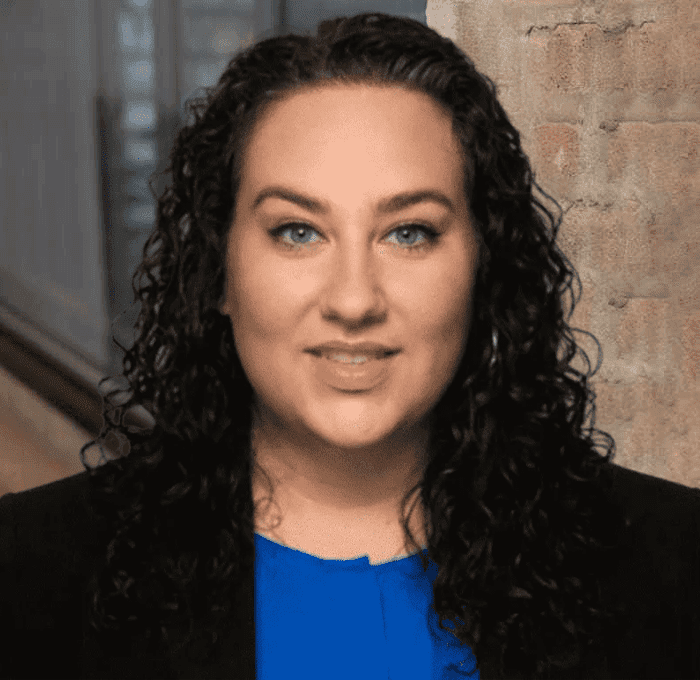
Julia Sverdloff, Esq.
Attorney Julia Sverdloff is the founder and owner of Sverdloff Law Group in Chicago, Illinois. Our firm speaks Ukranian, Russian, Serbian, Croatian, Bosnian and Spanish.

CALL US TODAY
312-238-9090CHICAGO OFFICE
NORTHBROOK OFFICE
707 Skokie Blvd, Suite 6
Northbrook, IL 60062
(By Appointment Only)


Attorney Advertising. This information is designed for general information only. The information presented should not be construed to be formal legal advice nor the formation of a lawyer/client relationship. Past results and testimonials are not a guarantee, warranty, or prediction of the outcome of your case, and should not be construed as such. Past results cannot guarantee future performance. Any result in a single case is not meant to create an expectation of similar results in future matters because each case involves many different factors, therefore, results will differ on a case-by-case basis. By providing contact information, users acknowledge and give explicit consent to be contacted via the methods of communication provided, including SMS. Message and data rates may apply. Message frequency may vary. Reply STOP to opt out.
Copyright 2026 All Rights Reserved
Privacy Policy | Accessibility Notice | NUVEW