Chicago Immigration Attorney

Мы говорим по русски
A Guide to Marriage Green Cards for CHNV Parole Entrants
The humanitarian parole program for nationals of Cuba, Haiti, Nicaragua, and Venezuela (CHNV) has provided a vital lifeline for thousands seeking safety and stability in the United States. As you build your new life here, you may be forming deep personal connections, including marriage to a U.S. citizen. This life-changing event opens a direct path to permanent residency, but it is natural to have questions about how your parole status affects this process. We are here to provide the clear guidance you need to move forward with confidence.
Navigating this journey requires understanding how your unique entry into the U.S. interacts with immigration law. Your parole status is a key element that can make the process of applying for a Green Card from within the U.S. more straightforward.
What is a Marriage Green Card?
A marriage-based Green Card provides lawful permanent resident status to the spouse of a U.S citizen. This allows the spouse to live, work, and travel freely in the United States indefinitely. The core requirement for any marriage-based petition is proving that the marriage is “bona fide”—meaning it is genuine and was not entered into for the sole purpose of obtaining an immigration benefit.
For individuals already inside the U.S., the process is called “Adjustment of Status” (AOS). This allows you to complete your entire Green Card application without having to leave the country.
Can CHNV Humanitarian Parole Entrants Apply?
Yes, absolutely. This is one of the most significant benefits of your parole status. A critical requirement for adjusting your status within the U.S. is having a record of “lawful admission or parole.” Because you entered the country under the CHNV humanitarian parole program, you were officially paroled into the United States. Your I-94 arrival record serves as proof of this lawful entry.
This parole document is the key that unlocks your ability to apply for a Green Card through marriage to a U.S. citizen without departing the country. It satisfies the entry requirement, allowing you to file your application and attend your interview at a local USCIS office.
What is the Process for a CHNV Parolee?
The process for a CHNV parolee marrying a U.S. citizen is the standard Adjustment of Status (AOS) process. Your spouse, the U.S. citizen, will file a petition on your behalf while you simultaneously file your own application to adjust your status.
The combined application packet typically includes:
- Form I-130, Petition for Alien Relative: Filed by your U.S. citizen spouse.
- Form I-485, Application to Adjust Status: Your formal application for a Green Card.
- Proof of Your Lawful Parole: A copy of your I-94 record is essential.
- Evidence of a Bona Fide Marriage: Joint documents like a lease, bank account statements, photos, and insurance policies are crucial.
- Form I-864, Affidavit of Support: Filed by your spouse to show they can financially support you.
- Form I-765 and Form I-131: Optional but highly recommended applications for a work permit and travel document while your case is pending.
Once filed, you will attend a biometrics appointment and, eventually, a marriage interview with your spouse. The goal of the interview is for a USCIS officer to confirm your marriage is authentic.
Your Immigration Ally for a Secure Future
Beginning a new life in the U.S. under humanitarian parole and then finding a life partner is a journey of immense hope. The path to a Green Card is the next significant step in securing your future together. While your parole status simplifies the process, a successful application requires careful attention to detail and thorough documentation.
At Sverdloff Law Group, your success is our mission. We understand the unique circumstances of CHNV parolees and are here to be your trusted immigration ally. We provide the guidance and empathetic support needed to navigate the marriage-based Green Card process with assurance. Contact us today for a consultation to take the next step toward your permanent future in the United States.
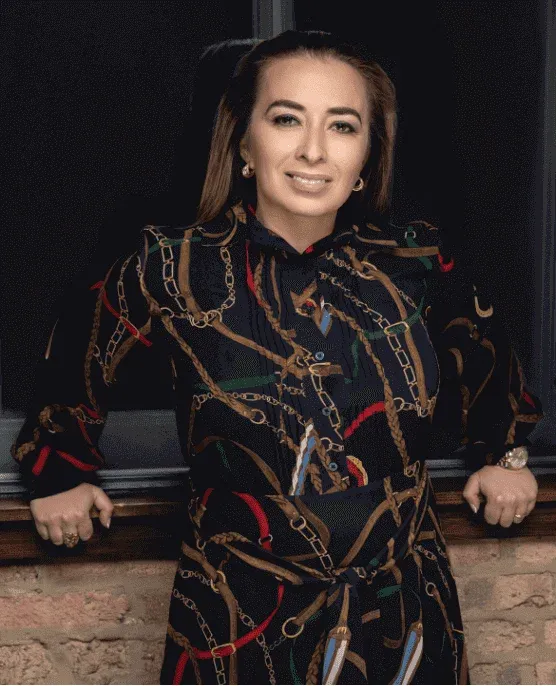
Julia Sverdloff, Esq.
Attorney Julia Sverdloff is the founder and owner of Sverdloff Law Group in Chicago, Illinois. Our firm speaks Ukranian, Russian, Serbian, Croatian, Bosnian and Spanish.

CALL US TODAY
312-238-9090CHICAGO OFFICE
NORTHBROOK OFFICE
707 Skokie Blvd, Suite 6
Northbrook, IL 60062
(By Appointment Only)


Attorney Advertising. This information is designed for general information only. The information presented should not be construed to be formal legal advice nor the formation of a lawyer/client relationship. Past results and testimonials are not a guarantee, warranty, or prediction of the outcome of your case, and should not be construed as such. Past results cannot guarantee future performance. Any result in a single case is not meant to create an expectation of similar results in future matters because each case involves many different factors, therefore, results will differ on a case-by-case basis. By providing contact information, users acknowledge and give explicit consent to be contacted via the methods of communication provided, including SMS. Message and data rates may apply. Message frequency may vary. Reply STOP to opt out.
Copyright 2026 All Rights Reserved
Privacy Policy | Accessibility Notice | NUVEW