

No. USCIS looks at your intent when you married, not how the marriage ended. Many genuine marriages end in divorce. Evidence that you and your former spouse shared a home and finances can help show the marriage was real when it began.
Chicago Immigration Attorney

Мы говорим по-русски
204 (c) Marriage Fraud
One finding of marriage fraud can follow you through every immigration case you ever file. Under Section 204(c) of the Immigration and Nationality Act, U.S. Citizenship and Immigration Services (USCIS) cannot approve a future immigrant petition for anyone it finds entered into, attempted, or conspired to enter into a marriage to get around immigration laws. The bar reaches petitions filed by a new spouse, a parent, an adult child, or even an employer.
Many people facing this bar never set out to break the law. Some had a first marriage that fell apart. Others married for love but could not show it well on paper, or gave nervous, mismatched answers at an interview. If you are applying for a green card as the spouse of a U.S. citizen and USCIS has raised fraud concerns, the way you respond now can shape every petition that follows.
What Section 204(c) Means for Your Case
Section 204(c) is an administrative bar. USCIS applies it on its own decision, and no criminal charge or conviction is required. The agency must point to substantial and probative evidence in the record that a marriage was entered into to evade immigration laws. It may consider findings from an earlier case, but it has to reach its own conclusion.
The bar can apply even if the earlier petition was withdrawn, abandoned, or never approved. No waiver exists for Section 204(c). Once a finding stands, the only way past it is to show the finding was wrong. That is why the strongest defense usually happens before USCIS makes a final decision.
The key question is your intent when you married. A marriage that later ends in separation or divorce is not fraudulent for that reason alone. USCIS looks at whether you and your spouse meant to build a life together at the start.
Immigration Counsel From Sverdloff Law Group
Sverdloff Law Group is an immigration law firm founded by attorney Julia Sverdloff. Ms. Sverdloff is an immigrant herself, and she has focused her practice solely on immigration law. She knows what it means to build a life in a new country, and she understands how much is at stake when the government questions your marriage.
We meet clients at our downtown Chicago office on State Street and, by appointment, at our Northbrook office. Because immigration is federal law, we also represent clients across the United States. Our team speaks Ukrainian, Russian, Serbian, Croatian, Bosnian, and Spanish. For many clients, being able to explain the details of a relationship in their first language makes a real difference in how clearly their story comes through.
A marriage fraud allegation is deeply personal. It puts the most private parts of your life under a microscope. We take the time to learn your story and test the government’s evidence before we build a response grounded in facts.
Who We Serve
Section 204(c) issues can surface at almost any point in the immigration process, sometimes years after a marriage has ended. We help people in situations like these:
- Couples facing fraud concerns during a green card application: USCIS suspects your marriage was arranged for immigration benefits, and you need an attorney to evaluate the allegations and show that you married in good faith.
- People whose past marriage is blocking a new petition: Your earlier marriage to a U.S. citizen or permanent resident has ended, and USCIS is now using it to question a new marriage or another pending petition.
- People who received a Notice of Intent to Deny: USCIS has warned that it plans to deny your petition over suspected marriage fraud, and you need a strong written response before the agency decides.
- People challenging a Section 204(c) denial: USCIS has already denied a petition based on a fraud finding, and you need someone to review the decision and identify whether an appeal, a motion, or another option is available.
If your situation looks a little different, that is common. Every 204(c) case turns on its own facts, and a careful review of your file is the best place to start.
How We Handle Section 204(c) Marriage Fraud Cases
No two fraud allegations look the same, but most of our cases follow a similar path. Here is what you can expect when you work with us:
- Review the record: We gather your immigration history, including earlier petitions, interview notes, and any statements on file. When needed, we request your file from the government through a Freedom of Information Act (FOIA) request so we can see exactly what USCIS sees.
- Evaluate whether Section 204(c) applies: We look at whether the evidence truly meets the legal standard and whether USCIS reached its own conclusion or simply relied on an old finding.
- Build evidence of a good-faith marriage: Strong cases often include joint leases or mortgages, shared bank accounts, joint tax returns, insurance policies, birth certificates of children, and photos taken over time. Sworn statements from people who know you as a couple can also help explain your relationship.
- Prepare you for interviews: Fraud interviews often separate spouses and compare their answers. We walk you through the process so you know what to expect and can answer honestly and clearly.
- Respond to USCIS in writing: When USCIS issues a Notice of Intent to Deny or shares derogatory information, you have a limited time to answer. Our NOID response services focus on addressing each concern the agency raises with organized, well-supported evidence.
- Challenge a denial: If USCIS denies a petition, we review whether an appeal or a motion to reopen or reconsider is the right choice. These options carry short filing deadlines, often 30 days from the decision, so early action counts.
Throughout the case, we explain each step and keep you updated, so you are never left guessing about where things stand.
Why Choose Sverdloff Law Group?
When USCIS questions your marriage, you need a legal team that understands both the law and the people it affects. Here is what clients can count on when they work with us:
- A practice built only on immigration law: Ms. Sverdloff focuses her practice solely on immigration, so our team works with USCIS petitions and responses every day.
- An attorney with her own immigrant story: Our founder has lived through the immigration process, and that experience shapes how we listen to clients and explain their options.
- Experience at every stage of a fraud allegation: We handle green card applications, NOID and Request for Evidence (RFE) responses, waivers, and appeals, so we can step in wherever your case stands.
- Two Illinois offices and nationwide reach: Clients can meet us in Chicago or Northbrook via appointment, and we represent people in all 50 states.
- Responsive communication: Clients regularly mention in their reviews that our team answers questions promptly and explains things clearly.
These strengths give your case a careful, organized foundation from the first conversation forward.
Talk With an Immigration Lawyer About Your 204(c) Concerns
A Section 204(c) finding can close the door on future petitions, and there is no waiver to reopen it later. The time to answer the government’s concerns is while your case is still open. If USCIS has questioned your marriage, sent you a Notice of Intent to Deny, or denied a petition over a past relationship, our team can review your file and explain your options honestly. Contact Sverdloff Law Group to schedule a consultation and start building your response.
FAQs About Section 204(c) Marriage Fraud
Is there a waiver for the Section 204(c) bar?
No waiver is available for Section 204(c). If USCIS makes a fraud finding, the main way forward is to challenge the finding itself. That makes a strong response before the decision especially important.
Does Section 204(c) affect only family-based petitions?
No. The bar applies to immigrant petitions in general. A finding tied to a past marriage can block a later petition filed by a new spouse or family member, and it can also block an employment-based petition.
Can USCIS apply the bar if my earlier petition was withdrawn?
Yes. The bar can apply even if the earlier petition was withdrawn or never approved. USCIS must still base its decision on substantial and probative evidence in the record, and we review whether that standard was met.
How long do I have to respond to a Notice of Intent to Deny?
The deadline appears on the notice itself and is often 30 days or less. Missing it can lead to a denial based only on the evidence USCIS already has. Contact an attorney as soon as the notice arrives so there is time to gather documents and prepare a full response.
Helping You Realize Your Dreams for a New Life in the United States
Our immigration attorneys will fight to ensure that you receive the best outcome in your immigration case.











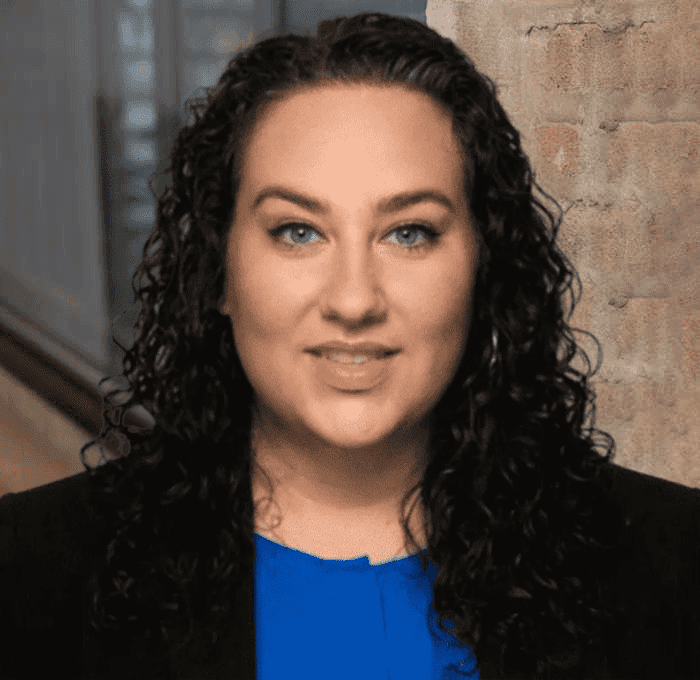
Julia Sverdloff, Esq.
Attorney Julia Sverdloff is the founder and owner of Sverdloff Law Group in Chicago, Illinois. Our firm speaks Ukrainian, Russian, Serbian, Croatian, Bosnian and Spanish.
Every Dream Should Be Realized.
Let Us Help You Accomplish Yours.

Reviews
Words From Our
Clients
Reviews from our clients from around the world.
Very knowledgeable attorney. I had the chance to work with many attorneys last ten years. Julia was most knowledgeable and helpful. She got the job done right. Thank you. Read More
Mirrakhim

Julia and her team were purely amazing throughout my adjustment of status process. I had one of the most difficult cases any lawyer can handle, and Julia was actually my 3rd lawyer in 12 years. I can't thank her enough for taking the time, and efforts to execute this task… Read More
Bassel George Diebo, MD

Before meeting Julia and her team, I met many lawyers, but I could not find a better and more professional than Julia Sverdloff. Julia and her team are the best of the best. This team goes to the victorious finish and does not abandon its clients halfway! With this team,… Read More
Atmir K.
Julia's help was invaluable. She is very professional, knowledgeable, straightforward, fast, and empathetic. She was able to solve a green card issue I had been dealing with for 5,5 years in 4 months and helped me with the naturalization process as well. She prepared me thoroughly for the interview, and… Read More
Veronique
I’ve worked with Julia and her team on multiple cases, and every time the experience has been absolutely great. Julia is incredibly knowledgeable, professional, and supportive, honestly the best immigration attorney in Chicago. I came to them through a friend’s recommendation and have since recommended them to others. Everyone I… Read More
Anastasia S.
I had a great experience working with Julia’s office on my asylum case, which was ultimately approved. I especially want to recognize her paralegal, Elizaveta, who was absolutely fantastic. She was incredibly responsive, answering my questions even at night and on weekends. After my experience with my previous lawyer, where… Read More
Client
I highly recommend this immigration attorney. She is highly professional, punctual, and exceptionally knowledgeable in her field. She is deeply dedicated to her clients, consistently advocates on their behalf, and provides clear and timely responses to all inquiries. Her reliability, professionalism, and commitment ensure that clients feel fully supported throughout… Read More
Client
My story of love and immigration is truly amazing and wonderful! I met my husband in Romania, and our feelings grew even while we were apart. After arriving in America, we got married here. Following the wedding, we turned to the Julia Sverdloff law firm. Their team of professionals listened… Read More
Michael and Viktoriia
I had a really good experience working with Julia Sverdloff. She was very professional and knowledgeable, and I could tell she really knows what she’s doing. She took the time to answer all my questions and explain everything in a way that was easy to understand. I really appreciate her… Read More
Ana
Hi everyone. Read carefully what i am going to write. Sverdloff Law Group is absolutely the best group of people that can help you with your immigration status. Julia and her team are some of the best people you can work with. Julia is such an amazing person, full of… Read More
marko
The experience was phenomenal, professional, efficient and result oriented . I recommend the firm because they deliver results that matters. God bless the team. Read More
Soji
Julia, Chris, and everyone on the team are so knowledgeable about immigration-related matters. Julia is very kind, caring, and genuinely cares. Chris is so reliable, answers emails on time, and answers all questions thoroughly, and you can tell they take good care of every case. So glad I chose them… Read More
aiswary
Julia Sverdloff is an amazing attorney who genuinely cares about her clients and is willing to work with you. She will tailor to your specific needs and make sure you take all the right steps. 10/10 would recommend! Read More
Luka
I had an overall positive experience working with this law firm. My case was not the simplest, and there were a few mix-ups and minor issues along the way, but whenever I brought something to their attention, the team was responsive and worked with me to get it corrected. I… Read More
Alex
I am incredibly grateful to Sverdloff Law Group, Julia, and her entire team for everything they did for me. Thanks to their professionalism, dedication, and support, I was able to win my case. A very special thank you to Kristen Coffey. She was always by my side throughout the entire… Read More
Nikolay
Thanks for the help; the communication is excellent, and you can get information or clarification on pretty much anything at almost any time, thanks. Read More
MTN
I had a consultation with attorney Julia Sverdloff because I had a lot of questions about my immigration case. I’m really happy I decided to schedule it. Julia answered every question I had and explained everything in a way that was easy to understand. I left the consultation knowing exactly… Read More
Ana
Julia Sverdloff helped me throughout my asylum interview process, and I cannot recommend her highly enough. She doesn't just represent her clients—she truly fights for them. Julia is incredibly professional, knowledgeable, and detail-oriented. She carefully prepares every aspect of the case and helps build the strongest possible strategy for a… Read More
Irina N.
Will recommend for immigration and family base. Reasonable pricing and nice assistance. Read More
Darya M.

CALL US TODAY
312-238-9090CHICAGO OFFICE
NORTHBROOK OFFICE
707 Skokie Blvd, Suite 6
Northbrook, IL 60062
(By Appointment Only)


Attorney Advertising. This information is designed for general information only. The information presented should not be construed to be formal legal advice nor the formation of a lawyer/client relationship. Past results and testimonials are not a guarantee, warranty, or prediction of the outcome of your case, and should not be construed as such. Past results cannot guarantee future performance. Any result in a single case is not meant to create an expectation of similar results in future matters because each case involves many different factors, therefore, results will differ on a case-by-case basis. By providing contact information, users acknowledge and give explicit consent to be contacted via the methods of communication provided, including SMS. Message and data rates may apply. Message frequency may vary. Reply STOP to opt out.
Copyright 2026 All Rights Reserved
Privacy Policy | Accessibility Notice | NUVEW