Chicago Immigration Attorney

Мы говорим по русски
N-400 vs. I-90 Forms: Renew Your Green Card or Apply for U.S. Citizenship?
For permanent residents in the U.S., choosing between renewing a Green Card (Form I-90) and applying for U.S. citizenship (Form N-400) presents an important decision. Each pathway offers distinct benefits and responsibilities. To make the best choice, it’s crucial to factor in eligibility, costs, processing times, and long-term impact.
Here’s a breakdown to help you decide which option aligns best with your goals.
What Are the N-400 and I-90 Forms?
- Form I-90 is used to renew or replace your Green Card, maintaining permanent resident status.
- Form N-400 is the application for U.S. citizenship through the naturalization process.
While both relate to your residency, the implications of each are vastly different.
Key Differences Between Form I-90 and Form N-400
Eligibility Criteria
- I-90 Green Card Renewal:
- Required if your Green Card is expiring or has expired.
- Necessary if your card is damaged, lost, or contains outdated information (like a name change).
- Maintains your lawful permanent resident (LPR) status.
- N-400 Citizenship Application:
- You must be at least 18 years old.
- Have held a Green Card for at least five years (or three years if married to a U.S. citizen).
- Demonstrate “good moral character” and continuous residency.
- Knowledge of English and an understanding of U.S. government and history are required.
If you’re unsure about meeting these criteria, consulting an immigration attorney can clarify your eligibility.
Processing Times
- I-90 Green Card Renewal:
- Average processing time is 6–12 months.
- Work authorization and reentry into the U.S. are usually not affected, as most Green Card holders receive a temporary extension.
- N-400 Citizenship Application:
- Processing typically takes 12–18 months.
- Citizenship grants you a U.S. passport, voter rights, and immunity from Green Card renewals.
Long-Term Implications
- Renewing Your Green Card:
- This option is well-suited if you prefer to maintain legal residency without assuming the responsibilities of citizenship (like voting or jury duty).
- A Green Card must be renewed every 10 years, adding recurring costs and administrative steps.
- Becoming a Citizen:
- U.S. citizenship provides lifetime status, eliminating the need for renewal.
- Citizens are protected from deportation, can vote in elections, and are eligible to sponsor relatives for immigration.
- You’ll also gain the security and flexibility of a U.S. passport for international travel.
Which Option Should You Choose?
Consider your long-term plans and current needs:
- Green Card Renewal via Form I-90:
- If your focus is on temporary residency without the financial or personal responsibilities of citizenship.
- Ideal for individuals who are not yet ready for the naturalization process.
- Applying for Citizenship via Form N-400:
- If you view the U.S. as your permanent home and want full political, economic, and legal benefits.
- Especially beneficial for those seeking stability, family sponsorship opportunities, and the right to stay in the U.S. permanently.
Common Concerns Addressed
- “Is citizenship worth the cost?”
Citizenship removes future Green Card renewal fees and provides numerous lifelong benefits, offering significant value over time.
- “I’m nervous about the naturalization test.”
Free study materials are available, and immigration attorneys can guide you through preparation.
- “Will I lose my current status if my citizenship is denied?”
No, unless fraud or other legal issues arise. Green Card holders remain in lawful status if their citizenship application is unsuccessful.
Making the Right Decision
The choice between renewing your Green Card or applying for citizenship depends on your personal circumstances and goals. If you’re unsure, seeking advice from an experienced immigration attorney can provide clarity and ensure your application aligns with your aspirations.
Taking the next step toward securing your future in the U.S.? Contact Sverdloff Law Group today for dedicated legal guidance tailored to your unique needs.

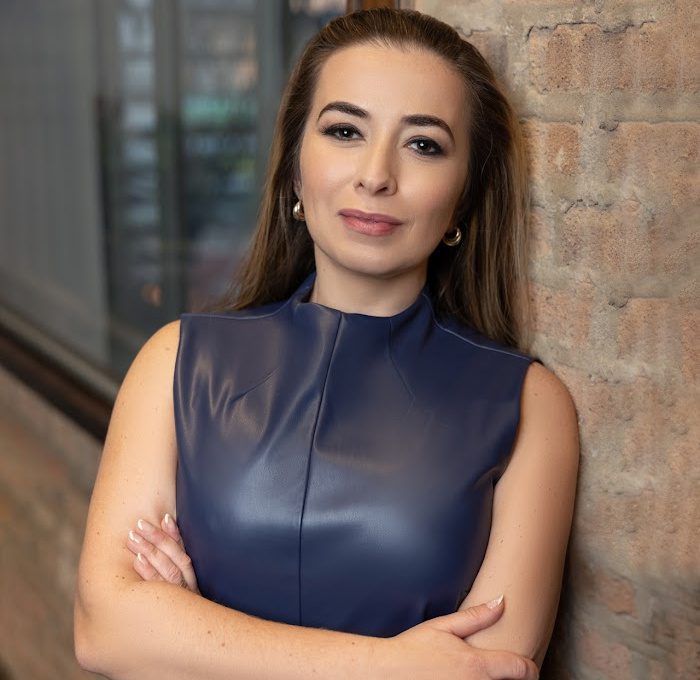
Julia Sverdloff, Esq.
Attorney Julia Sverdloff is the founder and owner of Sverdloff Law Group in Chicago, Illinois. Our firm speaks Ukranian, Russian, Serbian, Croatian, Bosnian and Spanish.

CALL US TODAY
312-238-9090CHICAGO OFFICE
NORTHBROOK OFFICE
707 Skokie Blvd, Suite 6
Northbrook, IL 60062
(By Appointment Only)


Attorney Advertising. This information is designed for general information only. The information presented should not be construed to be formal legal advice nor the formation of a lawyer/client relationship. Past results and testimonials are not a guarantee, warranty, or prediction of the outcome of your case, and should not be construed as such. Past results cannot guarantee future performance. Any result in a single case is not meant to create an expectation of similar results in future matters because each case involves many different factors, therefore, results will differ on a case-by-case basis. By providing contact information, users acknowledge and give explicit consent to be contacted via the methods of communication provided, including SMS. Message and data rates may apply. Message frequency may vary. Reply STOP to opt out.
Copyright 2026 All Rights Reserved
Privacy Policy | Accessibility Notice | NUVEW