
Chicago Immigration Attorney

Мы говорим по-русски
What USCIS’s Policy Memo on Good Moral Character Means for Citizenship Applicants
Most green card holders preparing for citizenship think about the civics test and how long they have lived in the United States. Far fewer think about a child support order from years ago or the sponsorship form they signed for a relative. New guidance tells officers to look closely at both.
On November 4, 2026, U.S. Citizenship and Immigration Services (USCIS) issued policy memorandum PM-602-0201 addressing family support, sponsorship obligations, and public benefits-related conduct in naturalization cases. At Sverdloff Law Group, PC, we help permanent residents understand how these issues may affect their eligibility and what documentation to review before filing.
What Does Good Moral Character Mean for Citizenship Applicants?
Good moral character (often shortened to GMC) is a legal requirement for naturalization. You must show it during the statutory period, which is the years before you apply that USCIS reviews, and keep showing it until you take the Oath of Allegiance. For most applicants, that period is five years; for many spouses of U.S. citizens, it is three. USCIS may also consider conduct from before the statutory period when it is relevant to an applicant’s present moral character.
The law lists certain conduct that automatically disqualifies an applicant. It also includes a catch-all clause, which lets officers find that someone lacks GMC for conduct outside those listed categories. USCIS judges that conduct against the standards of average citizens in the community where the applicant lives, and an arrest or conviction is not required.
The new memo applies that catch-all clause to money and family obligations. It follows an August 2025 memo that told officers to weigh an applicant’s positive contributions as well.
What Conduct Does the New Memo Address?
Not Supporting Your Dependents
Willfully failing or refusing to support dependents during the statutory period prevents an applicant from establishing good moral character unless extenuating circumstances are shown. That can include deserting a minor child or paying far less than a court order requires; without an order, officers compare your support with community standards. Support owed to children living abroad can count too.
The memo also says a dependent’s reliance on means-tested public benefits (programs that use income to decide who qualifies) may suggest you did not support them. That depends on the circumstances; it is not automatic.
Unmet Sponsorship Promises
Form I-864, the Affidavit of Support, creates legally enforceable support obligations while those obligations remain in effect. The sponsor agrees to keep the sponsored immigrant’s income at no less than the required level, which is generally 125 percent of the federal poverty line. A household member who signs Form I-864A shares that duty.
Under the memo, a sponsor who broke that promise may see it counted against them, especially if the relative received means-tested benefits. Forms I-134 and I-134A are not equivalent to the statutory I-864 contract, although the memo states that willful failure to honor those support commitments may affect a naturalization applicant’s good moral character. A sponsored person’s receipt of benefits does not necessarily establish that the sponsor failed to provide support. For example, some programs have higher income limits than the I-864 standard, so a sponsor may have met the obligation even if a benefit was paid.
Public Benefits Fraud
Fraud or deception in obtaining public benefits can prevent an applicant from establishing good moral character, even without a criminal conviction. Examples include knowingly providing false income or household information or deliberately concealing changes that must be reported. An inaccurate application does not automatically establish fraud; the circumstances and applicable reporting requirements matter.
Intentionally Avoiding Self-Sufficiency
USCIS also identifies intentionally avoiding self-sufficiency as a possible negative factor, including deliberately reducing work to preserve benefit eligibility without a legitimate personal or medical reason. This requires an individualized assessment and is not an automatic disqualification. Poverty, disability, and lawful receipt of benefits alone do not establish a lack of good moral character.
What the Memo Does Not Change
Lawfully receiving public benefits does not, by itself, prevent an applicant from establishing good moral character. USCIS must evaluate the applicant’s individual circumstances and specific conduct. Poverty, disability, and lawful benefit receipt alone do not establish a lack of good moral character.
This memo is internal guidance. The memorandum calls for additional Policy Manual guidance and revisions to Form N-400. Applicants should follow current form instructions and their individual USCIS notices rather than assume every announced change has already been implemented.
How to Prepare Before You File Form N-400
Planning ahead can help you prepare for questions and identify issues before filing. Consider these steps alongside an attorney:
- Collect proof of child support payments for the full statutory period. If you fell behind, gather records that explain why.
- If you sponsored a relative, review what you signed and whether they received means-tested benefits while your obligation was in effect.
- Check past benefits applications for accurate income and household details. If you find a mistake, talk with an attorney before you file.
Apply for Citizenship with a Clear View of Your Record
Before filing for citizenship, applicants should understand whether their family support history, sponsorship commitments, or public benefits records raise issues that need to be addressed. At Sverdloff Law Group, PC, we review these matters, identify supporting documentation, and help clients prepare for the naturalization process. Schedule a consultation with our team to discuss your eligibility and next steps.
This blog is for general informational purposes only and is not legal advice. Reading it does not create an attorney-client relationship. For advice about your situation, please consult a qualified immigration attorney.
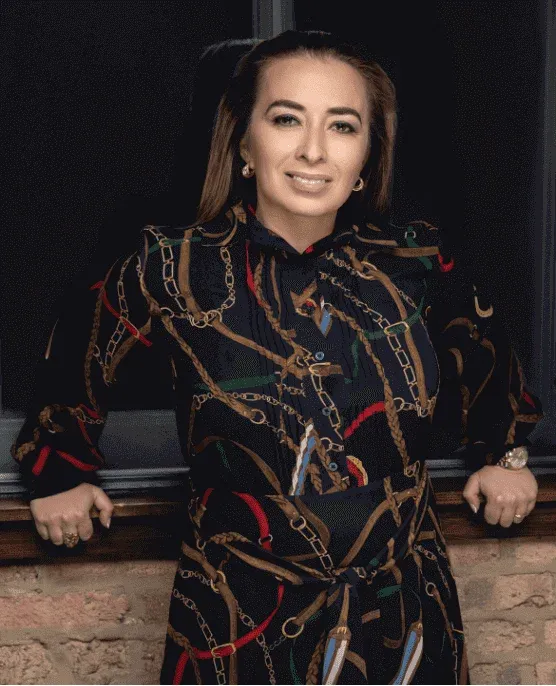
Julia Sverdloff, Esq.
Attorney Julia Sverdloff is the founder and owner of Sverdloff Law Group in Chicago, Illinois. Our firm speaks Ukrainian, Russian, Serbian, Croatian, Bosnian and Spanish.
CALL US TODAY
312-238-9090CHICAGO OFFICE
NORTHBROOK OFFICE
707 Skokie Blvd, Suite 6
Northbrook, IL 60062
(By Appointment Only)


Attorney Advertising. This information is designed for general information only. The information presented should not be construed to be formal legal advice nor the formation of a lawyer/client relationship. Past results and testimonials are not a guarantee, warranty, or prediction of the outcome of your case, and should not be construed as such. Past results cannot guarantee future performance. Any result in a single case is not meant to create an expectation of similar results in future matters because each case involves many different factors, therefore, results will differ on a case-by-case basis. By providing contact information, users acknowledge and give explicit consent to be contacted via the methods of communication provided, including SMS. Message and data rates may apply. Message frequency may vary. Reply STOP to opt out.
Copyright 2026 All Rights Reserved
Privacy Policy | Accessibility Notice | NUVEW