Chicago Immigration Attorney

Мы говорим по русски
What USCIS Isn’t Saying About the New Vetting Center
About a month ago, USCIS launched a centralized Vetting Center. Publicly, the messaging is about national security, fraud detection, and efficiency.
What’s less discussed is how cases are being flagged – and what happens after they are.
As immigration practitioners begin seeing the downstream effects, the implications are becoming clearer.
This is not traditional line-by-line adjudication. This is data-driven screening.
Think pattern recognition, cross-database comparisons, anomaly detection, and risk-scoring models-tools designed to surface deviations, not assess intent or legal materiality.
Here’s why that matters.
I recently reviewed a Notice of Intent to Deny in an E-2 extension case involving a client who has been lawfully present in the United States for nearly ten years, with E-2 status renewed multiple times during that period.
USCIS alleged he submitted a “fraudulent document” and declared him inadmissible.
No exhibit cited.
No document identified.
No explanation of what was allegedly misrepresented.
Just an accusation – apparently tied to a document buried somewhere in a long-standing file, without context, without analysis, and without reference to materiality.
That gap raises serious due-process concerns.
This is where centralized vetting and analytics collide with adjudication.
When systems flag “inconsistencies,” they don’t distinguish between:
- Clerical carryovers from years ago
- Documents submitted by prior counsel
- Immaterial discrepancies
- Actual fraud
To an algorithm, an outlier is an outlier.
And once a case is flagged, the burden quietly shifts to the applicant to disprove an allegation they were never clearly told about.
USCIS has not explained:
- What data points trigger enhanced vetting
- How AI or analytics are weighted
- How officers are instructed to contextualize flags
- What procedural safeguards apply
That silence is consequential.
In this environment, immigration cases can no longer be treated as transactional filings. They must be defensible records, prepared with the assumption that someone or something will review the entire history.
The question is no longer just eligibility.
It’s whether your case can survive algorithmic scrutiny without context and without explanation.
Official USCIS announcement: https://lnkd.in/gmUPyxyh

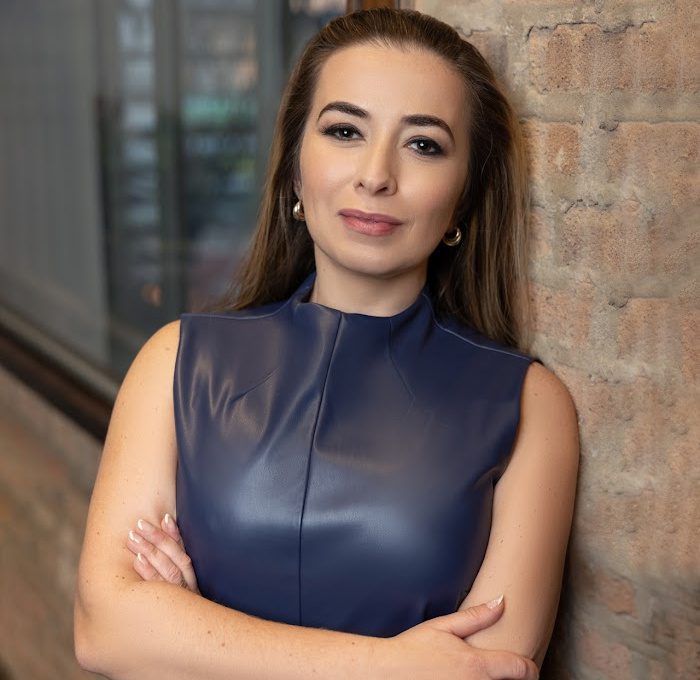
Julia Sverdloff, Esq.
Attorney Julia Sverdloff is the founder and owner of Sverdloff Law Group in Chicago, Illinois. Our firm speaks Ukranian, Russian, Serbian, Croatian, Bosnian and Spanish.

CALL US TODAY
312-238-9090CHICAGO OFFICE
NORTHBROOK OFFICE
707 Skokie Blvd, Suite 6
Northbrook, IL 60062
(By Appointment Only)


Attorney Advertising. This information is designed for general information only. The information presented should not be construed to be formal legal advice nor the formation of a lawyer/client relationship. Past results and testimonials are not a guarantee, warranty, or prediction of the outcome of your case, and should not be construed as such. Past results cannot guarantee future performance. Any result in a single case is not meant to create an expectation of similar results in future matters because each case involves many different factors, therefore, results will differ on a case-by-case basis. By providing contact information, users acknowledge and give explicit consent to be contacted via the methods of communication provided, including SMS. Message and data rates may apply. Message frequency may vary. Reply STOP to opt out.
Copyright 2026 All Rights Reserved
Privacy Policy | Accessibility Notice | NUVEW