
Chicago Immigration Attorney

Мы говорим по русски
Fixed Admission Rule for F Students: What to Know
If you’re an international student in the United States, or you’re helping a loved one who is, a major change is coming that could affect your stay. The U.S. Department of Homeland Security has ended the long-standing “duration of status” policy for F student visas. In its place is a new system of fixed admission periods.
This shift may feel unsettling, especially if you have a pending case or application. Here’s what changed, how it may affect you, and the steps you can take to stay protected.
What Changed on July 17, 2026
On July 17, 2026, DHS published a final rule that takes effect Sept. 15, 2026. For years, F students were admitted for “duration of status,” meaning you could stay as long as you remained enrolled and followed the rules, without a set end date.
Under the new rule, that open-ended stay is gone. F students will now be admitted for a fixed period based on the length of the program listed on your Form I-20. This period cannot exceed four years. You’ll also receive a 30-day window before your program to arrive and a 30-day window after it ends to prepare to leave or seek another status.
How This Affects Existing Cases
If you’re already in the country, there are transition protections in place.
- Current students admitted under duration of status: You may remain until the Program End Date on your Form I-20, or through the end of your post-completion OPT or STEM OPT, but not past Nov. 14, 2030.
- Students who travel after Sept. 15, 2026: When you return, Customs and Border Protection will admit you under a new fixed period.
- Students needing more time: You may need to file Form I-539 with U.S. Citizenship and Immigration Services to request an Extension of Stay.
The rule also tightens other areas. There are new restrictions on changing your major, transferring schools, and changing your educational level, especially during your first year. These changes make careful planning more important than ever.
What You Should Do Now
You don’t have to face this alone, and acting early can spare you stress later. Here are practical steps to take:
- Talk to your DSO. Your designated school official can explain how the rule applies to your specific program and timeline. Start this conversation soon.
- Check your dates. Review your Form I-20 and I-94 so you know exactly when your admission period ends.
- File for an Extension of Stay if needed. If you need more time to finish your studies, begin a new program, or continue OPT, you may need to file Form I-539, pay the required fee, and provide biometrics. Timely filing matters.
- Weigh your travel options. In some cases, departing and reentering with a valid visa can secure a fresh admission period. This isn’t right for everyone, so get advice first.
Every case is different, and the right path depends on your program, your goals, and your timeline.
We’re Here to Help
Policy changes like this can turn a hopeful journey into an anxious one, but you deserve clear answers and steady support. The team at Sverdloff Law Group understands what’s at stake for you and your family, and we’re ready to guide you through each step. Whether you need help filing an Extension of Stay, reviewing your options, or simply understanding how this rule affects your case, we’ll stand with you.
Don’t wait until a deadline is close. Contact Sverdloff Law Group today to schedule a consultation and protect your future in the United States.

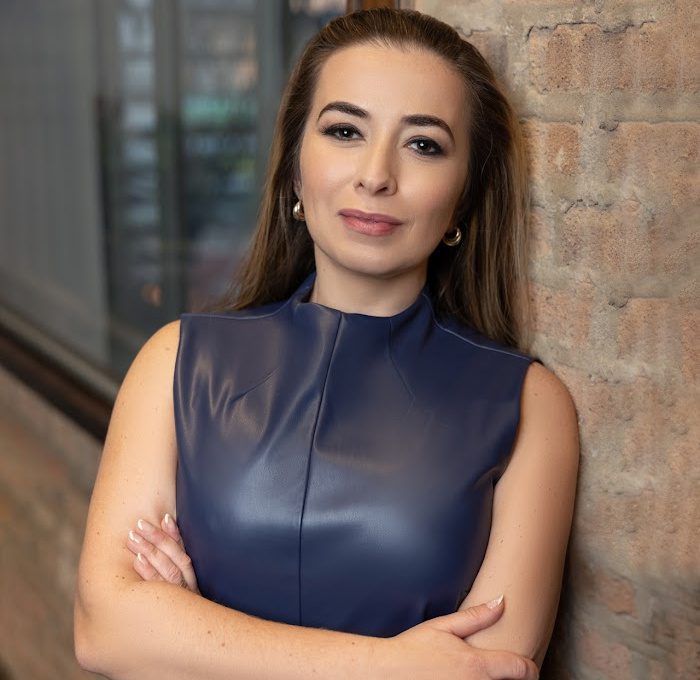
Julia Sverdloff, Esq.
Attorney Julia Sverdloff is the founder and owner of Sverdloff Law Group in Chicago, Illinois. Our firm speaks Ukranian, Russian, Serbian, Croatian, Bosnian and Spanish.

CALL US TODAY
312-238-9090CHICAGO OFFICE
NORTHBROOK OFFICE
707 Skokie Blvd, Suite 6
Northbrook, IL 60062
(By Appointment Only)


Attorney Advertising. This information is designed for general information only. The information presented should not be construed to be formal legal advice nor the formation of a lawyer/client relationship. Past results and testimonials are not a guarantee, warranty, or prediction of the outcome of your case, and should not be construed as such. Past results cannot guarantee future performance. Any result in a single case is not meant to create an expectation of similar results in future matters because each case involves many different factors, therefore, results will differ on a case-by-case basis. By providing contact information, users acknowledge and give explicit consent to be contacted via the methods of communication provided, including SMS. Message and data rates may apply. Message frequency may vary. Reply STOP to opt out.
Copyright 2026 All Rights Reserved
Privacy Policy | Accessibility Notice | NUVEW