

Chicago Immigration Attorney

Мы говорим по русски
What Happens If USCIS Requests More Evidence After Your Marriage Interview?
You walked into your marriage interview prepared, answered every question, and walked out hoping for good news. Then, weeks later, an envelope arrives from USCIS asking for more documents. If this describes your situation, take a breath. A Request for Evidence (RFE) after a marriage interview is more common than many couples expect, and it does not mean your case is lost. It means USCIS needs a bit more proof before making a final decision on your green card.
When USCIS issues an RFE after your interview, here is what typically happens:
- You receive a written notice listing the specific evidence USCIS wants and a firm deadline, usually between 30 and 90 days.
- Your case remains open and pending while you gather and submit the requested materials.
- You prepare a complete response, including a cover letter and organized supporting documents.
- USCIS reviews your response and either approves the case, requests further information, or issues a denial.
- A strong, timely, and well-documented response gives your case the best chance of approval.
Why USCIS May Issue an RFE After Your Interview
It can feel confusing to receive a request for more evidence after you already sat through an interview. The officer met you, asked questions, and reviewed your file in person. So why ask for more?
Several reasons explain this. The officer may have left the interview with unresolved questions about your relationship. Perhaps a document was missing, expired, or did not match the information in your file. Sometimes the officer needs updated records because months have passed since you first filed. In other cases, USCIS conducts an additional review when something in your history requires a closer look.
An RFE is the officer’s way of giving you a chance to fill the gaps. Rather than denying your case outright, USCIS invites you to strengthen it. That distinction matters. An RFE is an opportunity, not a rejection.
Common Types of Evidence Requested in Marriage-Based Cases
The evidence USCIS asks for depends on the specific concerns in your case. Still, certain requests appear again and again in marriage-based green card matters.
Joint Financial Documents
USCIS often wants proof that you share a financial life. Married couples typically combine money, accounts, and responsibilities, so officers look for records that reflect this. Common requests include:
- Joint bank account statements showing regular activity from both spouses
- Joint tax returns or transcripts
- Shared credit card accounts or loans
- Insurance policies, such as health, life, or auto, that list both spouses
- Bills or utilities held in both names
Updated Proof of Cohabitation
Living together is one of the strongest signs of a genuine marriage. If your file lacks recent proof, USCIS may ask you to show that you currently share a home. Helpful documents include:
- A lease or mortgage with both names
- Utility bills addressed to both spouses at the same address
- Mail or official correspondence sent to each of you at your shared home
- A driver’s license or state ID showing matching addresses
Clarification on Prior Immigration History
Sometimes the request has little to do with your marriage and more to do with your record. USCIS may ask for an explanation of a prior visa, a past application, an old removal order, or a previous marriage. If you have an earlier immigration history, the officer may want certified documents, court records, or a clear written explanation to resolve any open questions.
Potential Consequences of Delays, Incomplete Responses, or Weak Evidence
How you respond to an RFE shapes the outcome of your case. A careful, complete reply moves you closer to approval. A rushed or thin response can put everything at risk.
Consider what is at stake:
- Missed deadlines. If you fail to respond by the date listed, USCIS can deny your application based on the record it already has. The deadline is firm, and extensions are rare.
- Incomplete responses. Submitting only part of what USCIS requested often leads to denial. Officers expect every item on the list, presented clearly.
- Weak or inconsistent evidence. Documents that contradict earlier statements, or proof that fails to address the officer’s concern, can raise new doubts about your marriage.
- A denial of adjustment of status. A poor response can end your green card case.
The good news is that each of these outcomes is preventable. A thoughtful, organized, and on-time response addresses the officer’s concerns and keeps your case on solid ground.
When Professional Legal Guidance Becomes Critical
Many couples respond to a simple RFE on their own and reach a good result. Other situations call for experienced legal support, especially when the stakes rise or the issues grow more involved. You should strongly consider speaking with an attorney if:
- The RFE questions whether your marriage is genuine, rather than asking for a routine document.
- You received a Notice of Intent to Deny along with, or instead of, an RFE.
- Your case involves a prior immigration violation, a past removal order, or a criminal record.
- The officer raised concerns about a previous marriage or a prior petition.
- Your documents contain inconsistencies that need a careful, well-explained response.
- You feel unsure about what the request actually asks for or how to prove it.
Post-interview scrutiny can carry serious weight. At Sverdloff Law Group, we help couples across the Chicago area prepare thorough, persuasive RFE responses that directly answer the officer’s concerns. We review your full history, identify the real issue behind the request, and build a response designed to protect your future together.
Accuracy and Timeliness Make the Difference
If you recently completed your marriage interview and received a Request for Evidence, you do not have to face it alone. Sverdloff Law Group is ready to review your notice, explain your options in plain language, and help you respond with confidence. Contact us to schedule a consultation and take a secure step toward your green card and your shared future.

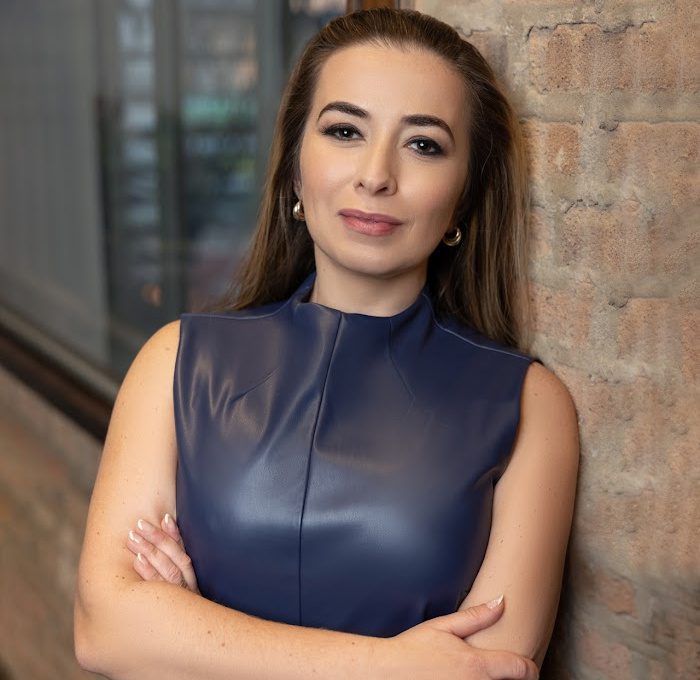
Julia Sverdloff, Esq.
Attorney Julia Sverdloff is the founder and owner of Sverdloff Law Group in Chicago, Illinois. Our firm speaks Ukranian, Russian, Serbian, Croatian, Bosnian and Spanish.

CALL US TODAY
312-238-9090CHICAGO OFFICE
NORTHBROOK OFFICE
707 Skokie Blvd, Suite 6
Northbrook, IL 60062
(By Appointment Only)


Attorney Advertising. This information is designed for general information only. The information presented should not be construed to be formal legal advice nor the formation of a lawyer/client relationship. Past results and testimonials are not a guarantee, warranty, or prediction of the outcome of your case, and should not be construed as such. Past results cannot guarantee future performance. Any result in a single case is not meant to create an expectation of similar results in future matters because each case involves many different factors, therefore, results will differ on a case-by-case basis. By providing contact information, users acknowledge and give explicit consent to be contacted via the methods of communication provided, including SMS. Message and data rates may apply. Message frequency may vary. Reply STOP to opt out.
Copyright 2026 All Rights Reserved
Privacy Policy | Accessibility Notice | NUVEW